

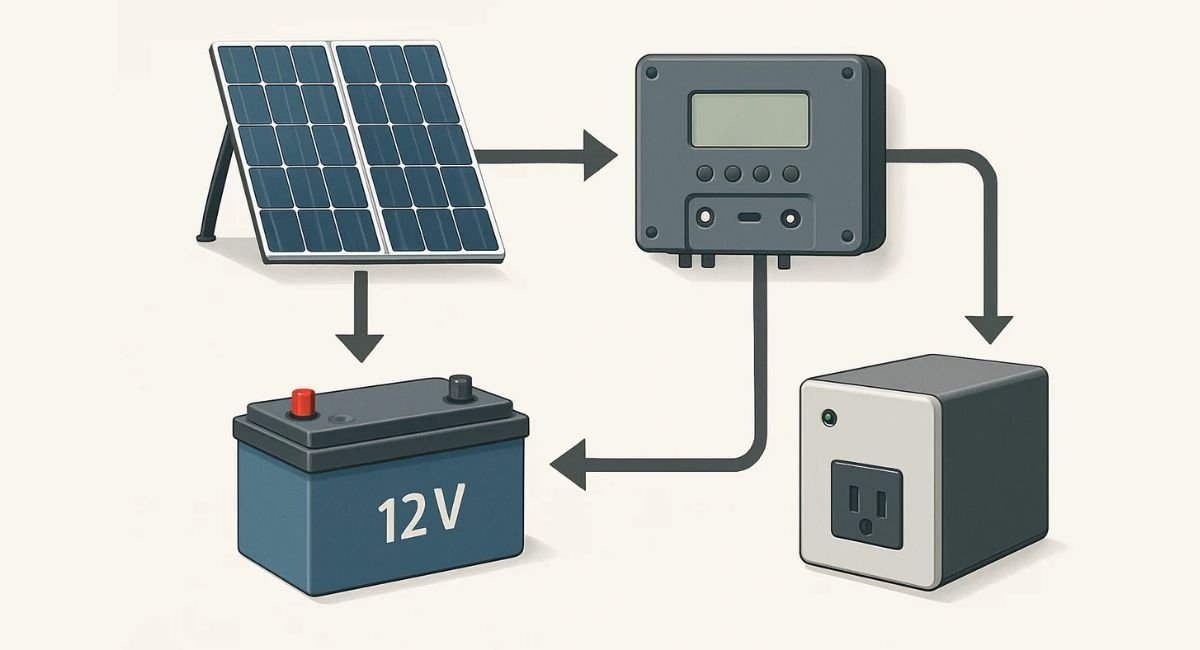
Dreaming about waking up beside a quiet lake without worrying about hookups or noisy generators? A reliable DIY van solar system can completely change the way you travel. With the right setup, you’ll power lights, charge laptops, run a fridge, and enjoy true freedom on the road. Still, many beginners feel overwhelmed when planning an off-grid van power system for the first time.
Questions about batteries, wiring, solar panels, and costs can quickly become confusing. That’s exactly why this guide exists. You’ll learn how to build a dependable camper van electrical setup, avoid expensive mistakes, and create efficient van life solar power using smart, beginner-friendly steps that actually work in real-world travel situations.
How Van Electrical Systems Work for Beginners
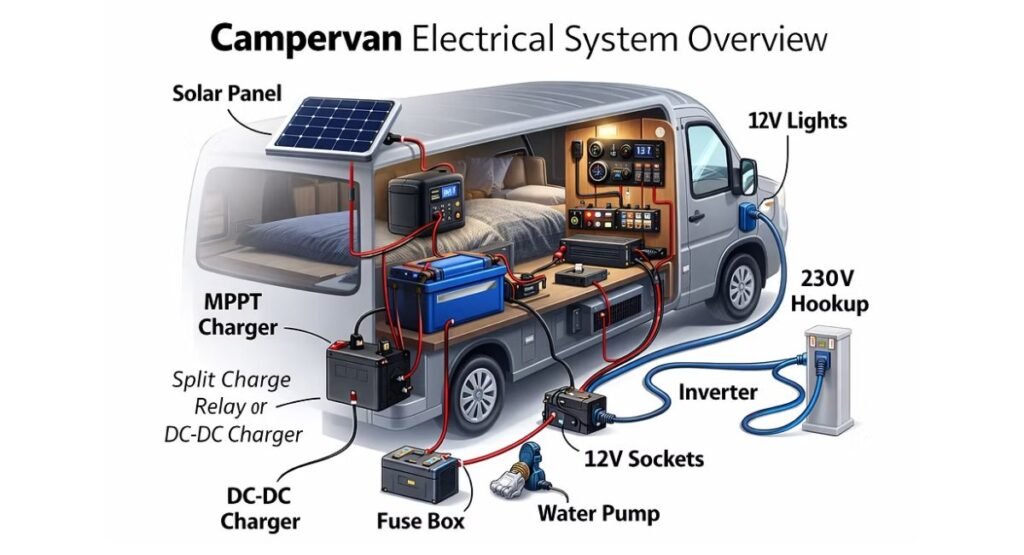
A basic camper van electrical setup works like a small home power grid. Solar panels collect energy from sunlight, batteries store that energy, and an inverter converts power into usable electricity for appliances. Once you understand these parts, building a DIY campervan electrical system becomes much less intimidating.
Most van owners use a 12V system because it’s efficient, affordable, and compatible with many RV appliances. This type of setup powers lights, roof fans, fridges, laptops, water pumps, and even coffee makers with the right battery bank.
Understanding 12V DC vs 120V AC Power
12V DC powers your lights, fans, and fridge directly from batteries. Meanwhile, 120V AC runs household appliances through a pure sine wave inverter. A balanced system uses both for maximum flexibility and energy savings.
A complete van conversion solar setup includes solar panels, a solar charge controller, and a battery bank. While premium setups can cost a fortune, budget-friendly and highly reliable brands like XINPUGUANG (for flexible panels), EPEVER (for MPPT controllers), and LiTime (for smart lithium batteries) offer the absolute best value for money without sacrificing performance.
Common Beginner Mistakes to Avoid
Many beginners underestimate battery size or ignore proper fusing. Poor camper electrical wiring can lead to voltage drops, damaged appliances, or even fire hazards. Always size wires correctly and install circuit protection devices.
How to Plan the Perfect Van Electrical System
Good planning prevents expensive mistakes later. Before buying anything, focus on calculating daily power consumption. This helps determine battery size, inverter capacity, and solar panel wattage.
Think realistically about your travel habits too. Someone using laptops and lights occasionally needs far less power than a full-time traveler running a fridge, Starlink, and induction cooktop daily.
| Appliance | Average Watts | Hours Per Day | Daily Usage |
| LED Lights | 10W | 5 Hours | 50Wh |
| Laptop | 60W | 4 Hours | 240Wh |
| Fridge | 50W | 24 Hours | 1200Wh |
| Roof Fan | 25W | 8 Hours | 200Wh |
How Much Solar Power Does a Camper Van Need?
Most vans need 200W–600W of solar depending on usage. A small weekend setup may work with 200W, while full-time van dwellers often install 400W or more for reliable van life solar power.
Creating a Future-Proof Off-Grid Setup
Leave room for future upgrades. Many van owners later add larger battery banks, extra panels, or more appliances after living on the road for several months.
Choosing the Best Batteries for Van Life
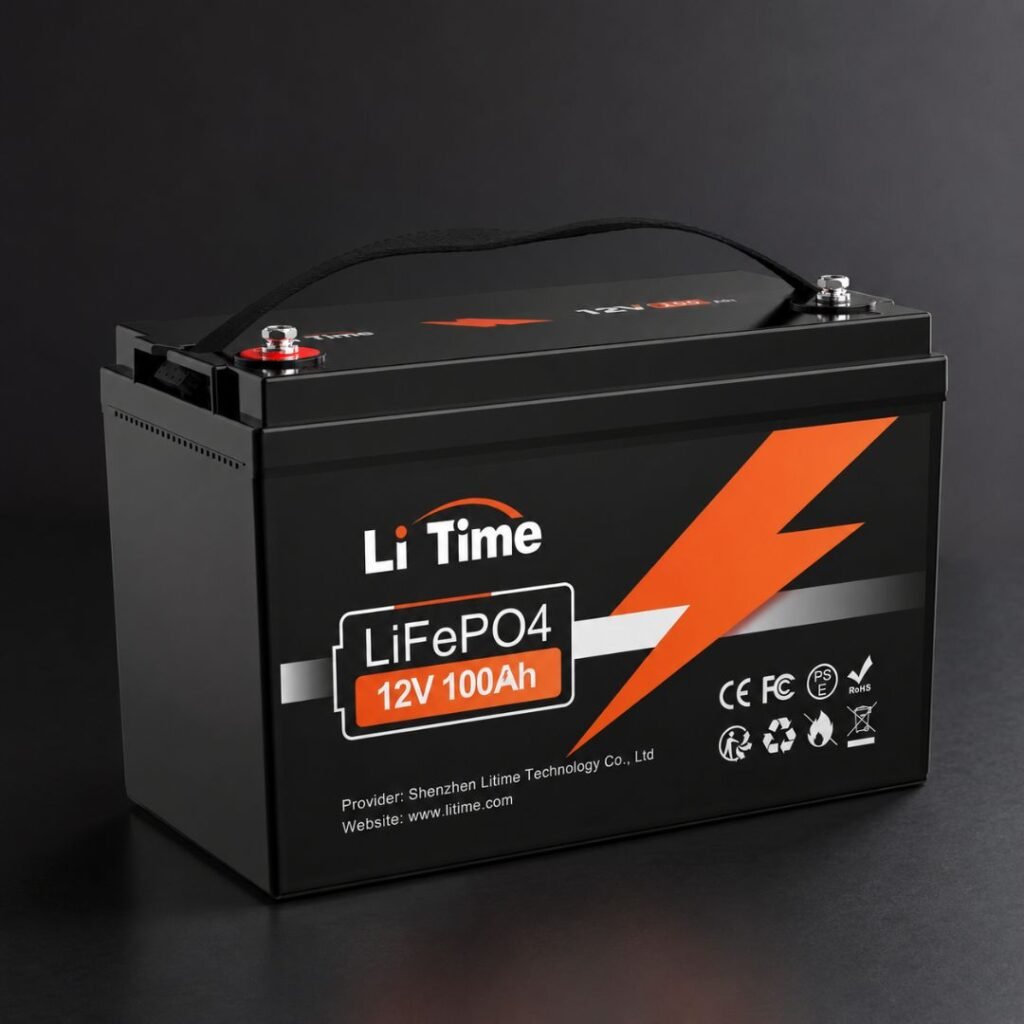
Your battery bank is the heart of your off-grid RV electricity system. It stores energy for cloudy days and nighttime use. Choosing the wrong battery often leads to frustration and poor system performance.
Today, most van owners prefer lithium-ion batteries because they charge faster, weigh less, and last longer than traditional AGM batteries. However, AGM remains popular for budget-friendly builds.
| Battery Type | Pros | Cons |
| Lithium | Lightweight, long lifespan, faster charging | Higher upfront cost |
| AGM | Affordable, simple installation | Heavier, shorter lifespan |
If you are looking for the ultimate budget lithium battery that doesn’t compromise on tech, we highly recommend the LiTime 12V 100Ah Smart LiFePO4 Battery. Unlike standard cheap batteries, it features built-in Bluetooth Monitoring to check power levels on your phone and Low-Temp Protection to prevent freezing damage during winter travels.
Solar Power Setup for Vans and RVs
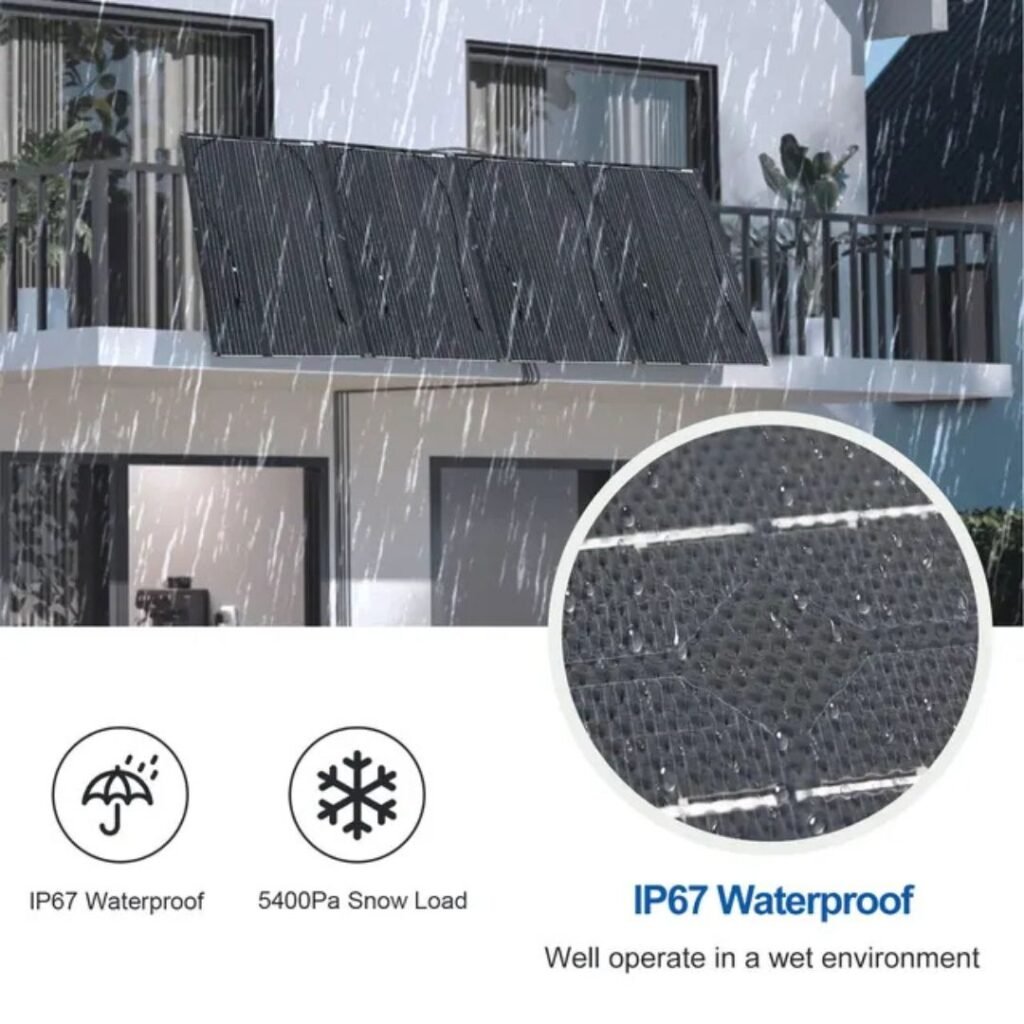
Your solar array determines how much energy your van can produce daily. A strong solar power for camper vans setup reduces generator use and improves travel freedom.
Modern panels are more efficient than ever. Many travelers now use high-efficiency monocrystalline panels during RV solar panel installation because they perform better in limited roof space.
Flexible vs Rigid Solar Panels
The choice between flexible vs rigid solar panels depends on your roof design. Flexible panels are lightweight and low-profile, while rigid panels typically last longer and provide better cooling airflow.
Choosing the Right Solar Panels
When choosing solar panels for RV systems, prioritize efficiency, warranty, and durability. Some of the best solar panels for van life come from XINPUGUANG and LiTime.
Series vs Parallel Solar Wiring
Understanding connecting solar panels in series and connecting solar panels in parallel is essential. Series wiring increases voltage, while parallel wiring increases amperage.
MPPT vs PWM Charge Controllers
An MPPT charge controller captures more solar energy than a PWM solar controller, especially during cloudy weather or colder temperatures.
Mounting Solar Panels Properly
Successful solar panel mounting for vans starts with careful roof measurements. During mounting solar panels on van roof, always use waterproof seals and quality solar panel mounting brackets for durability.
Best Ways to Charge Your Van Batteries
Solar is the primary charging source, but smart van owners use multiple charging methods for reliability. Combining solar, alternator charging, and shore power creates a dependable RV battery charging system.
This backup approach becomes extremely helpful during winter or extended cloudy weather when solar production drops significantly.
Charging with Solar Panels
A good charge controller setup maximizes charging efficiency while protecting your batteries from overcharging or overheating.
Using a DC-DC Charger While Driving
Driving can recharge batteries quickly through your alternator. DC-DC chargers are safer and more effective than older isolator systems.
Shore Power Charging
Campgrounds provide fast charging through shore power connections. Many modern inverters include built-in chargers for easier RV power management.
Generator Backup Systems
Portable generators remain useful for emergency charging. A compact solar generator for RV travel can also work as temporary backup power.
Wiring a DIY Van Electrical System Step by Step
Clean wiring improves safety, efficiency, and troubleshooting. Poor cable management creates future headaches and increases the risk of electrical problems.
Always sketch your wiring plan before starting. This simple step saves hours during installation and future repairs.
Choosing the Correct Wire Size
Correct wire gauge reduces voltage drop and improves solar charge efficiency. Undersized wiring wastes power and creates heat buildup.
Installing Bus Bars and Fuse Blocks
Fuse blocks and bus bars simplify wiring organization. They also improve overall RV electrical safety by protecting circuits from overloads.
Running Solar Cables Into the Van
During running solar cables into RV spaces, use a waterproof cable entry housing to prevent leaks and protect wires.
Waterproofing Your Installation
A quality weatherproof solar installation prevents roof leaks and corrosion. Marine-grade sealants work best for long-term durability.
Avoiding Common Wiring Mistakes
Many beginners forget proper grounding or skip fuse protection. A solid RV solar wiring guide always includes breakers and fuse sizing calculations.
Installing Inverters, Outlets, and Appliances
An inverter lets you power regular household appliances while traveling. Choosing the wrong inverter often causes frustration, appliance damage, or battery drain.
Energy-efficient appliances dramatically improve battery life and reduce system costs. This matters even more during cloudy weather.
Choosing the Best Inverter
The best inverter for camper van setups is usually a pure sine wave inverter because it safely powers electronics, laptops, and kitchen appliances.
Installing an Inverter Correctly
When installing inverter in van builds, place it close to batteries using thick cables to reduce voltage loss.
Best Appliances for Van Life
Efficient appliances from Dometic and Maxxair reduce daily power consumption significantly.
Monitoring, Testing, and Troubleshooting Your System
Even the best mobile solar energy system needs occasional monitoring. Battery monitors help track energy use, charging levels, and system health.
Without monitoring, you’re basically guessing how much power remains. That uncertainty can become stressful during long off-grid trips.
Installing Battery Monitoring Systems
A quality battery monitoring system from LiTime provides accurate battery data and remote monitoring features.
Testing Solar System Performance
Regularly focus on testing solar panel system performance and checking solar connections for corrosion or loose terminals.
Troubleshooting Common Problems
Most solar power troubleshooting issues involve poor wiring, shading, incorrect fuse sizing, or weak battery connections. Systematic testing makes diagnosis easier.
Maintaining Your Solar Setup
Routine RV solar maintenance includes cleaning panels, checking sealants, and inspecting cables for wear or water intrusion.
Plug-and-Play Van Power Systems vs DIY Builds
Not everyone wants to build a full custom system. Plug-and-play solutions have become increasingly popular for beginner van owners.
These systems simplify installation but often cost more than a traditional DIY van solar system.
| System Type | Best For | Drawback |
| DIY System | Customization, lower cost | More installation work |
| Plug-and-Play | Simplicity, beginners | Higher price |
Best Portable Power Systems
Brands like EcoFlow, Jackery, and Bluetti dominate the portable solar system for RV market.
Which Option Saves More Money?
DIY systems usually cost less per watt and allow easier future upgrades. However, plug-and-play systems reduce installation complexity.
Real-World Van Power Usage and Off-Grid Tips
Real-world conditions rarely match perfect solar calculations. Weather, shade, season, and travel location all affect daily energy production.
Smart energy habits matter just as much as panel size. Efficient travelers often enjoy longer off-grid stays with smaller systems.
Summer vs Winter Solar Production
Winter solar harvest can drop by 40% or more in northern states. Larger battery banks help maintain reliable off-grid camping power during poor weather.
Reducing Daily Power Consumption
LED lighting, efficient fridges, and mindful energy habits improve overall solar panel efficiency and reduce system strain.
Expert Tips for Better Battery Life
Avoid draining lithium batteries below 20% regularly. Proper charging habits improve long-term battery storage capacity and overall system lifespan.
Buying Guide: What You Need for a Complete 12V Camper Van Solar Setup
A complete system includes solar panels, batteries, charge controllers, inverters, wiring, and protection devices. Choosing quality components upfront usually prevents expensive failures later.
Instead of spending $2,000+ on overpriced premium brands, a smart DIYer can easily put together a highly efficient, modern 12V off-grid van solar kit for under $600–$800 using these exact components.
| Component | Recommended Budget-Friendly Choice | Where to Get It |
| Solar Panel | XINPUGUANG 100W Monocrystalline Flexible ETFE | Check Price on Our Store |
| Lithium Battery | LiTime 12V 100Ah Smart LiFePO4 with Bluetooth | Check Price on Our Store |
Budget vs Premium Systems
Budget systems work well for occasional trips, while premium systems offer greater reliability, expansion potential, and better long-term value.
Frequently Asked Questions
1. How many solar panels do I need for a camper van?
Most camper vans need between 200W and 600W of solar power. It depends on how many appliances you use daily and how often you travel off-grid.
2. Are lithium batteries better than AGM batteries?
Yes, lithium batteries usually last longer, charge faster, and weigh less. However, AGM batteries cost less upfront and still work well for smaller setups.
3. Can I install a 12V solar system by myself?
Yes, many van owners build their own systems successfully. If you follow wiring diagrams carefully and use proper safety equipment, DIY installation is very possible.
4. What size inverter do I need for van life?
A 1000W to 2000W pure sine wave inverter works for most camper vans. Choose a larger inverter if you plan to run kitchen appliances or power tools.
5. How long do camper van batteries last?
Lithium batteries can last 8–15 years with proper care. AGM batteries usually last around 3–5 years depending on usage and charging habits.
Conclusion
Learning how to set up a 12V off-grid solar system for a camper van may feel overwhelming at first, but the freedom it provides makes the effort worthwhile. A properly designed off-grid living setup gives you reliable power almost anywhere while supporting a more flexible and adventurous lifestyle.
Whether you choose a custom DIY van solar system or a plug-and-play solution, focus on quality components, smart planning, and safe installation practices. Once your system is complete, you’ll enjoy true camper van energy independence, cleaner renewable energy for RV travel, and the confidence to explore far beyond crowded campgrounds.

Welcome to Ashraf Store! I’m Ashraf Bhatti, an AI-Powered E-commerce specialist and Curator with 4 years of experience.
I help shoppers find premium products, save time, and enjoy a seamless shopping experience. My goal is to make online shopping reliable, affordable, and accessible for everyone.
Let’s discover great products together!